


Archaeologists under the direction of Harco Willems at the university of Leuven (KU Leuven) have discovered fragments of a “book” in a burial place dating from 2040 BC in Dayr al-Barsha, Egypt.
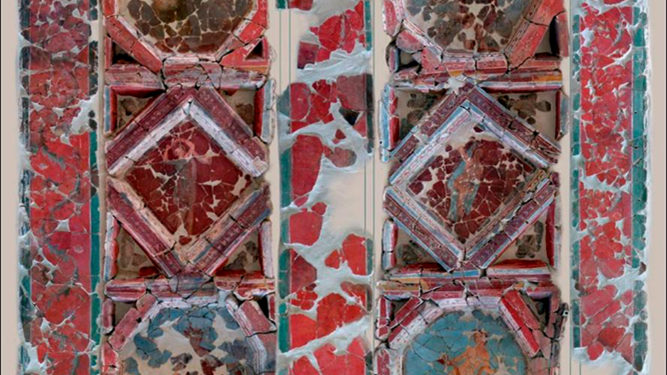
Characterization of the geological origin of cinnabar pigments used in Roman mural painting in the northeastern quadrant of Hispania. Cinnabar is a mineral of the sulphide class, characterized by a beautiful vermilion colour that, once reduced to dust, produces one of nature’s most valued red pigments. Fragment of cinnabar from the mine of Las Cuevas…
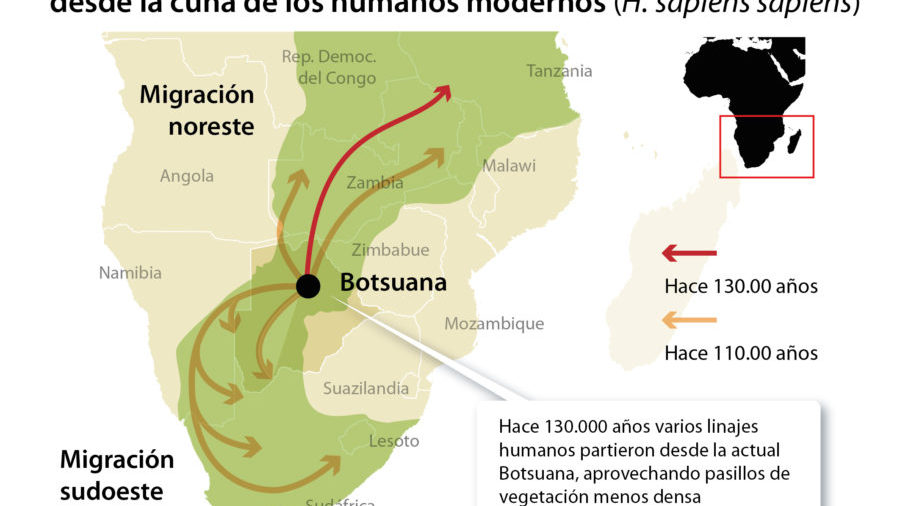
A contentious new paper traces the origins of modern humans to ancient wetlands in Africa, a claim other researchers have called far-fetched.
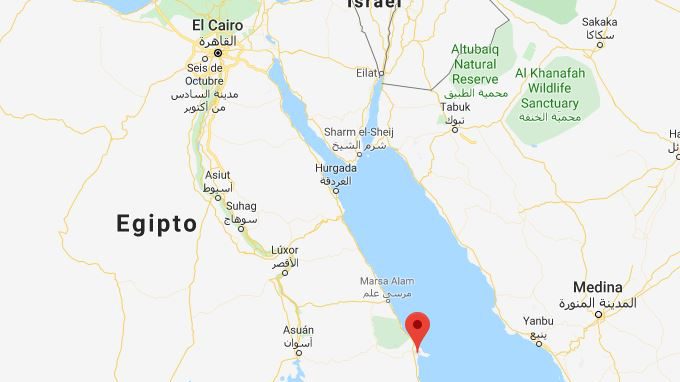
The “Sikait Project” team discovers a late period ritual space dedicated to the god Horus in the Greco-Roman port of Berenike, Egypt. Project focuses on analysis of emerald production and marketing in Roman Egypt This discovery is one of the few evidences of this cult in Late Roman Egypt The second archaeological excavation campaign of…
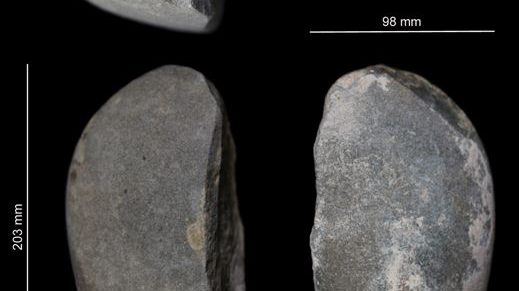
First case of a deposit specializing in the extraction of flint in the Northeast of the Iberian Peninsula LITOcat, an indispensable tool for the study of strategies for the supply and management of mineral resources by prehistoric societies Front of Montvell quarry (UE1001) and associated rubble dump (UE1004) at the end of the 2017 excavation.…
The man – known as skeleton 125 – was one of 60 full skeletons and more than 4,000 human bone fragments found after work began at the Aberdeen Art Gallery redevelopment site.
For over a century, excavations in Jerusalem have been uncovering segments of the city’s Roman-period network of streets, particularly the so-called Stepped Street that wended its way from the southernmost gate of the city, alongside the Siloam Pool and towards the Temple Mount.
Life in Norway reports that massive timbers and stone foundations from Oslo’s medieval waterfront have been uncovered at the head of the Oslo fjord.
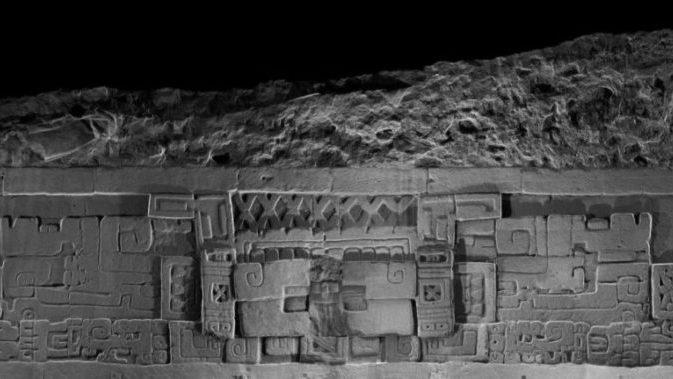
La Blanca Project, fifteen years of exploration in the Mayan cities of the Mopán Valley (Petén, Guatemala). La Blanca, an exceptional Mayan city due to its palatial constructions, has the widest vault ever documented in the entire Mayan area. Located near Petén, cradle of the Mayan civilization City abandoned in the famous “collapse” of classical…
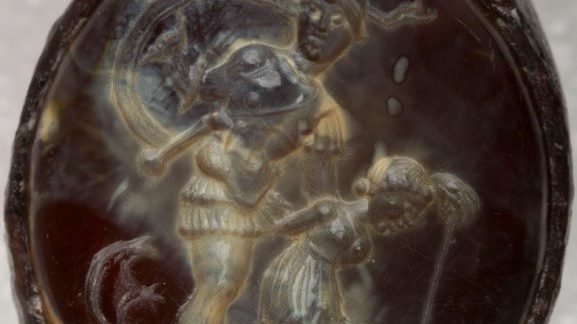
A very important site for understanding the processes of iberization and romanization of the Eastern Pyrenees Largest batch of ceramic material ever recovered in the Eastern Pyrenees Findings of jars, loom weights, animal skeletons, and Roman military elements Hannibal and his troops through the Pyrenees, a historical episode of first magnitude, today still very poorly…
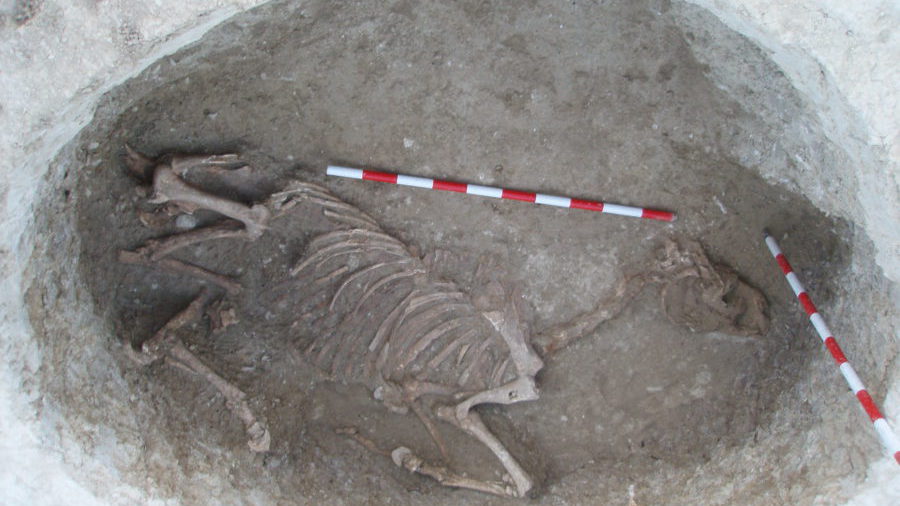
New studies have been started focusing on the diet of the 27 equids intentionally deposited in the Ibero-Roman silos of the Serrat dels Espinyers, next to the old Aeso Aeso, now Isona, was the most northwestern Roman city in Catalonia The presence of mules suggests the Roman military establishment as hybrid equids are more characteristic…
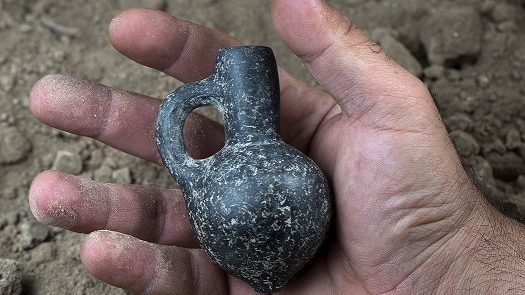
Recent work has brought news on Assyrian domination in the region and about Iron Age in the eastern Levant In October 5 , the Tell el-Far’a project team will head to Palestine for the third excavation campaign Tell el-Far’a, archaeological research in Biblical lands Aerial view of the excavation area. Photo: José G. Gómez Tell…