Ancestor of all animals identified in Australian fossils (Phys.org 03/24/20)
A team led by UC Riverside geologists has discovered the first ancestor on the family tree that contains most familiar animals today, including humans.


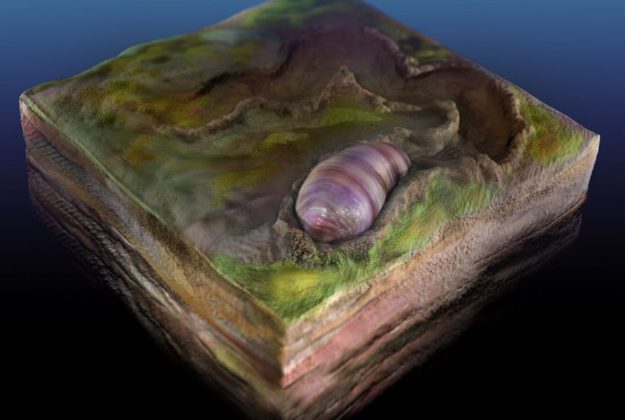
A team led by UC Riverside geologists has discovered the first ancestor on the family tree that contains most familiar animals today, including humans.
The AIA’s Gold Medal Committee has selected Dr. Katherine M.D. Dunbabin, as the 2021 recipient of the Institute’s Gold Medal Award for Distinguished Archaeological Achievement.

Since 2008, the University of Jaen has been excavating in the necropolis where the highest officials of Egypt’s southernmost province were buried between 2200 and 1800 BC. This province, whose capital was located on the island of Elephantina, played a very important role in the history of Egypt, as it was the border between Egypt…
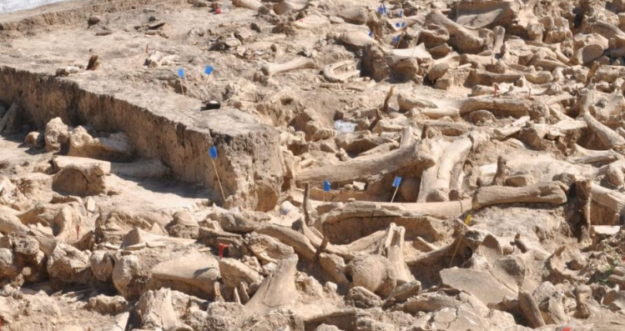
Archaeologists have announced the discovery of a giant Ice Age structure built from the remains of at least 60 mammoths at the Kostenki-Borshevo archaeological complex.
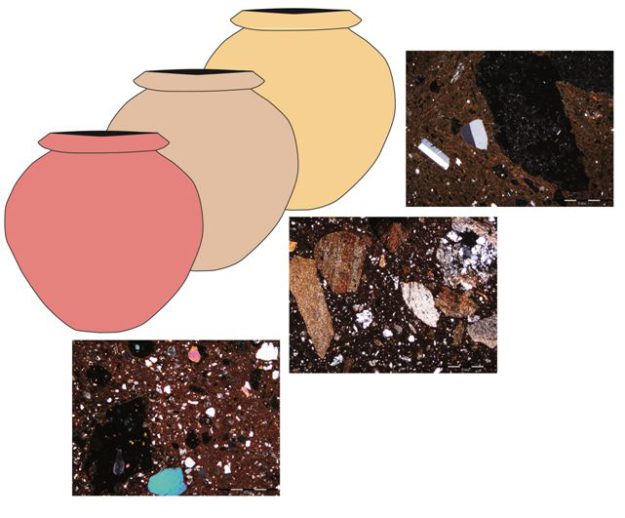
Archaeometric characterization of Roman dolia from the northeast of Hispania Citerior-Tarraconensis The ‘dolia’ and wine production From the end of the 2nd and beginning of the 1st century BC, the province of Hispania Citerior (called Tarraconensis after the territorial organisation of the Emperor Augustus) was characterised by the development of a production system based mainly…
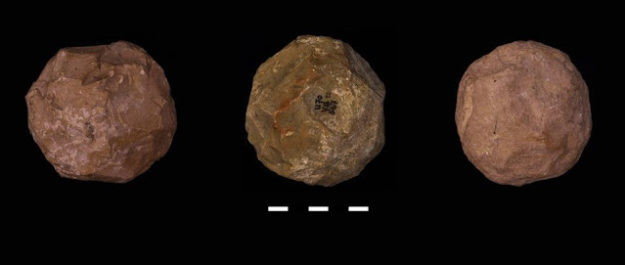
This collaboration is led by the IPHES and is funded by the Gerda Henkel Foundation. It is presently unknown how these tools were developed or what they were used for and high-tech 3D artifact analysis will be used for this research.

La Garma is a hill of 186 m high located next to the village of Omoño (Ribamontán al Monte, Cantabria), 11 km east of the city of Santander and about 5 km from the current coast. This place houses, in several caves and galleries of a complicated karstic system and in several open air sites,…
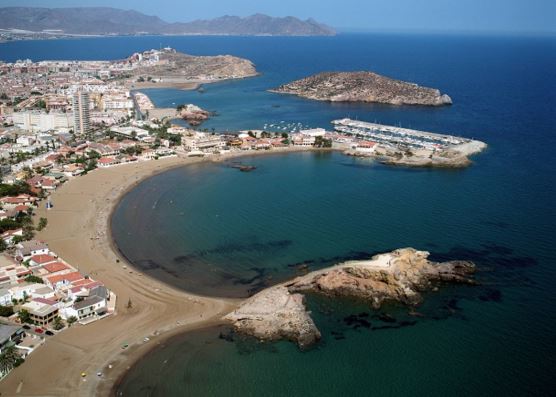
Among the tasks emanating from the Project ARQUEOTOPOS III – Carthago Nova from its coastal environment. Paleotopography and environmental evolution of the central sector of the Iberian Southeast. Population and production dynamics (HAR2017-85726-C2-1-P), a line of work has been initiated focused on the study of the potters and potteries of the first millennium BC identified…
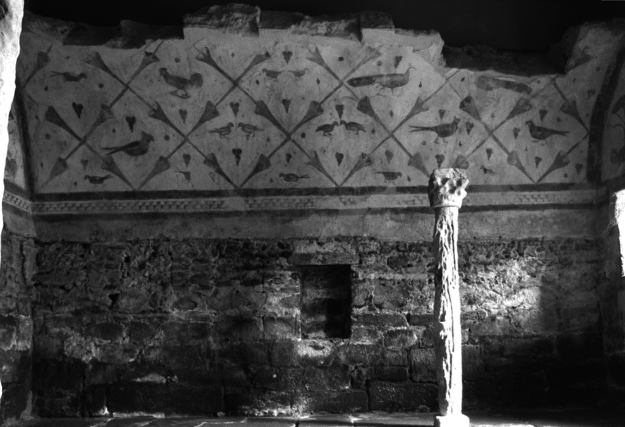
Galicia preserves several late and early medieval churches (10th to 5th centuries) which in recent years have been systematically studied to try to obtain an absolute dating of their oldest phases (Sánchez-Pardo and Blanco Rotea, 2014). Thus, the building materials of Santa Comba de Bande (Bande), Santa Eulalia de Bóveda (Lugo), the basilica of La…
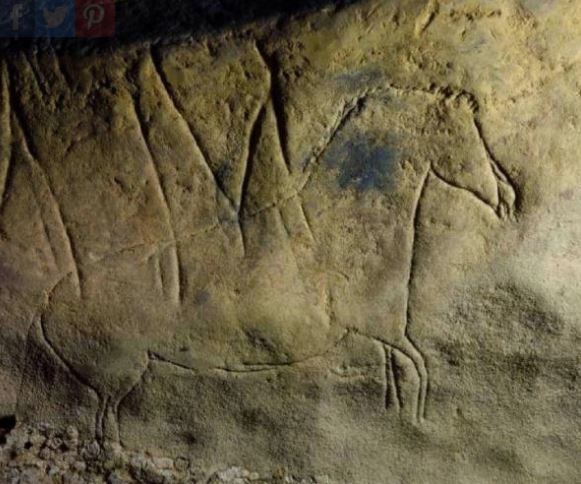
In the autonomous region of Catalonia, Spain, archaeologists have uncovered a treasure trove of prehistoric rock art that is around 15,000 years old