

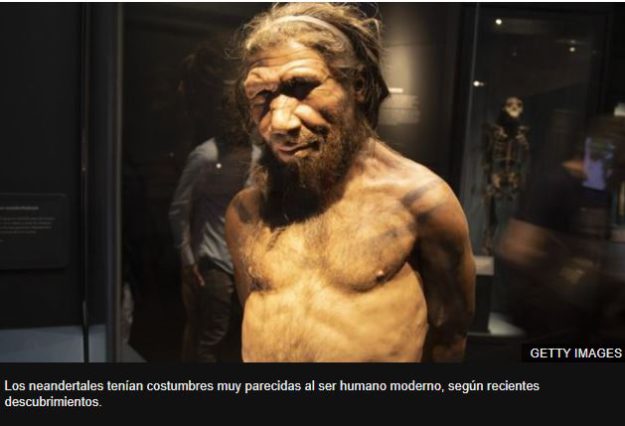
How did the last Neanderthals live? (BBC News 01/29/20)
In many ways, the last surviving Neanderthals are a mystery. But four caves in Gibraltar have given an unprecedented insight into what their lives might have been like.


In many ways, the last surviving Neanderthals are a mystery. But four caves in Gibraltar have given an unprecedented insight into what their lives might have been like.
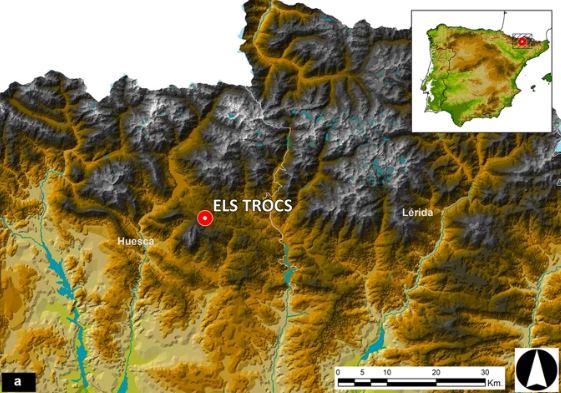
At the site of Els Trocs in the Spanish Pyrenees, rivalling groups of either migrating early farmers or farmers and indigenous hunter-gatherers collided violently around 5300 BCE.
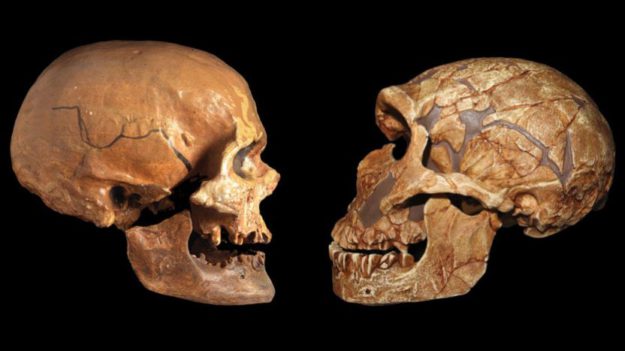
Africans today possess more Neandertal ancestry than previously thought, a new analysis shows, though still not as much as most people outside of Africa.
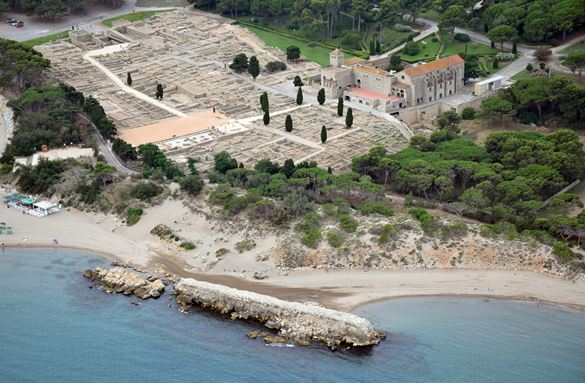
This project’s main objective is the study of the different port areas related to the various population centres established in Empúries between the 6th century BC, when the Foceian commercial Emporium was created, and the 7th and 8th centuries AD, a time of profound transformation that marks the passage to the medieval period. Knowledge of…
From a burial site in Cameroon, archaeologists recovered human genetic material dating as far back as 8,000 years.
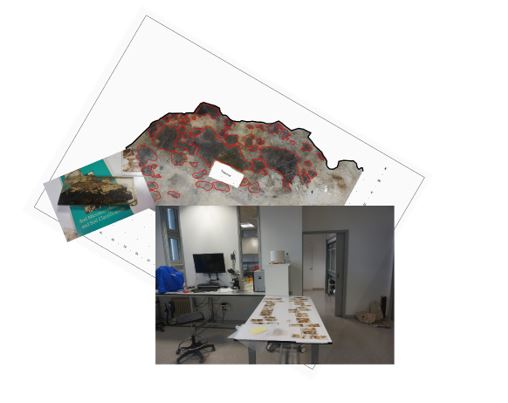
The manufacture of large-format thin sheets of the Abric Romani homes is a project that will allow us to determine the number of human occupations in Mousterian Qa level. This objective is focused on the analysis of the record in the sediments produced by the use of fire. The thin sheets of the sediments of…
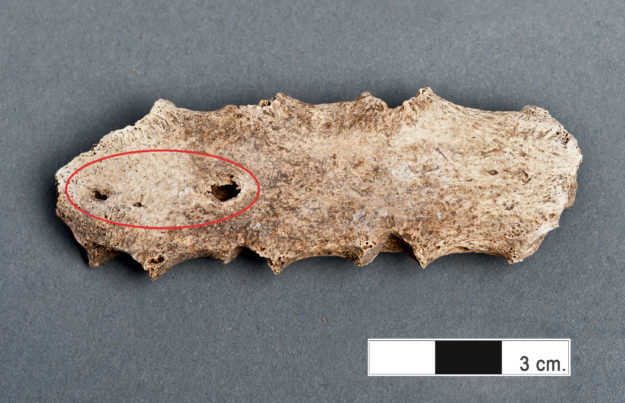
The first population of the Canary Islands was led by Berber groups from North Africa around the first centuries of the Age Las Huesas, a necropolis of the aborigines of Gran Canaria First time on the island, evidence of ritual deposits of domestic fauna in burial contexts is identified Location of the cemetery of Las…
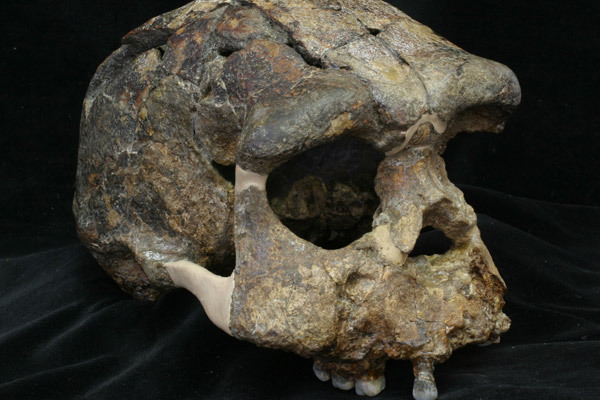
Homo erectus reached the Indonesian island of Java some 300,000 years later than many researchers have assumed, a new study finds.
Live Science takes a look at 10 of the biggest archaeology discoveries that emerged this year.
New evidence helps resolve a debate over how long ago the hominid survived in what’s now Indonesia.
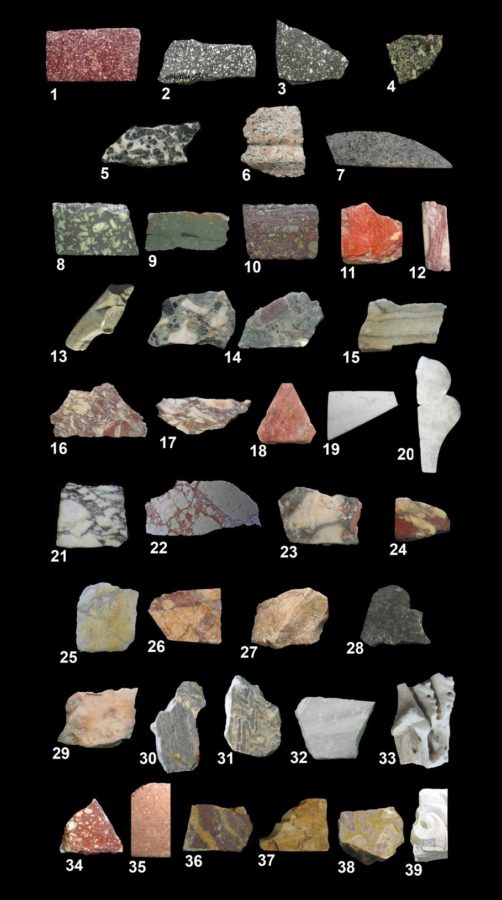
This project on “materials for building a villa” is part of the research that we have been carrying out at the Santa María de Abajo de Carranque site (Toledo) since 2004 and is a magnificent example of the progress that can be achieved through the sum of efforts through collaboration between public institutions, such as…
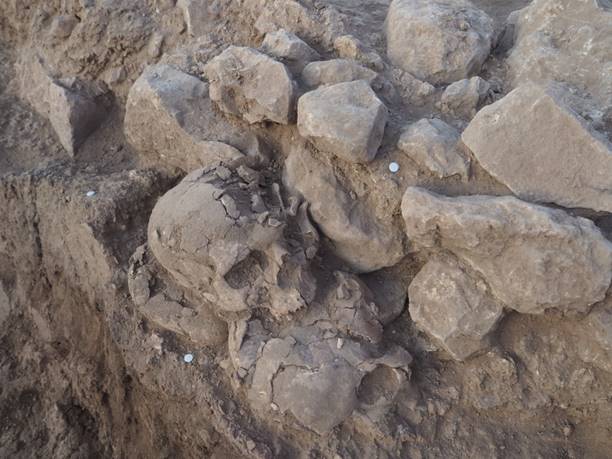
Changes in the lifestyles of nomadic hunter-gatherers who became sedentary farmers and stockbreeders were decisive for human history. Between 14,000 and 9,000 years ago, hunter-gatherers began to live in sedentary villages. These changes took place, for the first time, in the Middle East, in the current countries of Israel/Palestine, Jordan, Syria, Lebanon, Turkey, Iraq and…