Archaeologists have revealed an entire Roman city without any digging. Their approach could revolutionise the study of ancient settlements (Univertity of Cambridge 06/09/20)

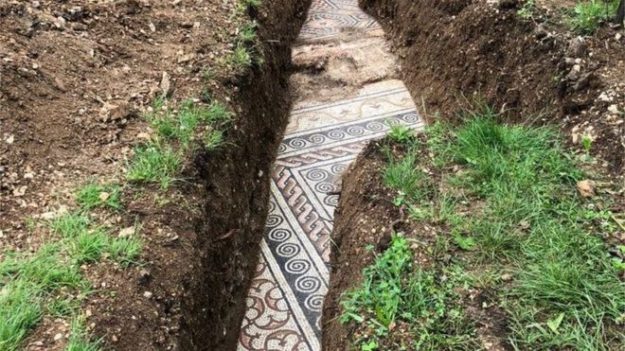
For the first time, a team of archaeologists from the Universities of Cambridge and Ghent, has succeeded in mapping a complete Roman city, Falerii Novi in Italy, using advanced ground penetrating radar (GPR).

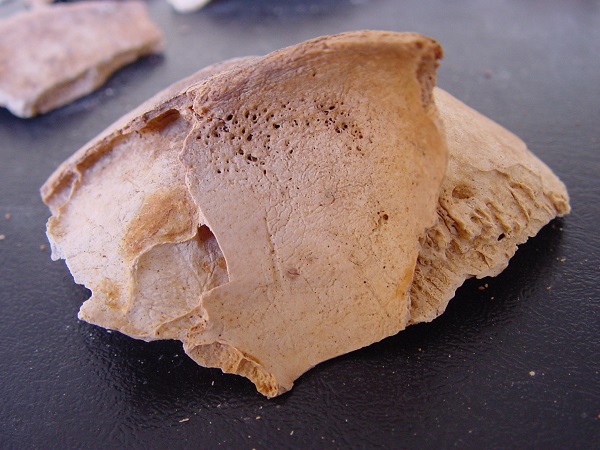
Estimating the sex of the youngest individuals from Sima de los Huesos via dentition ( Phys.org 05/20/20)

Thanks to the analysis of 32 dental pieces using micro-computed tomography a team led by Cecilia García Campos, a researcher in the Dental Anthropology Group at the Centro Nacional de Investigación sobre la Evolución Humana, has estimated the sex of at least 15 individuals from the population of Sima de los Huesos site in the…

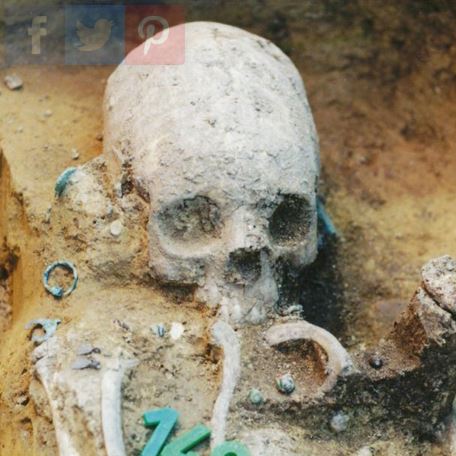
Biological study of Tell es-Sin the Byzantine necropolis (HeritageDaily 05/05/20)

A study published in the journal Bioarcheology of the Near East reveals the characteristics of the population that was buried in the Tell es-Sin necropolis, a Byzantine site dated between the 5th and 7th centuries that is located in Syria, on the left bank from the Euphrates River.

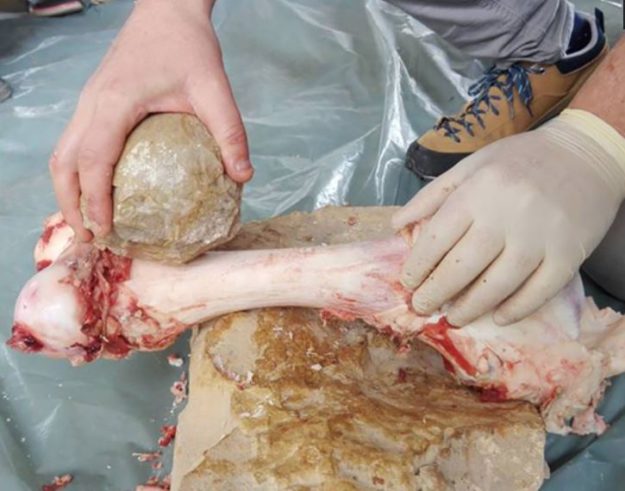
We May Finally Know Why Early Humans Kept These Mysterious Stone Balls Around ( Science Alert 04/17/20)

Ancient archaeological sites across the Northern Hemisphere have been littered with a mystery. Where there were hominins, there too could often be found roughly rounded spheres of stone. Some have been dated back to over 2 million years ago, with marks suggesting that the balls had been deliberately shaped.