

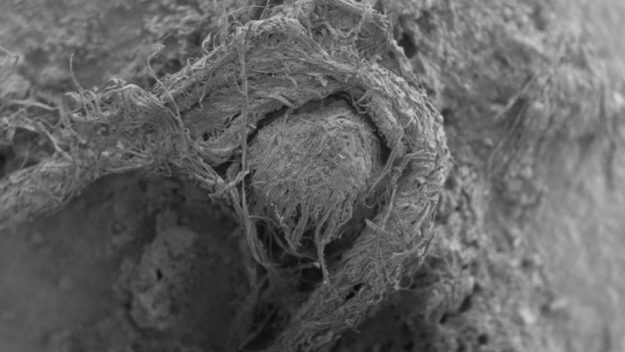
This is the oldest known string. It was made by a Neandertal ( ScienceNews 04/09/20)
A cord fragment was found clinging to a stone tool at a French archaeological site.


A cord fragment was found clinging to a stone tool at a French archaeological site.
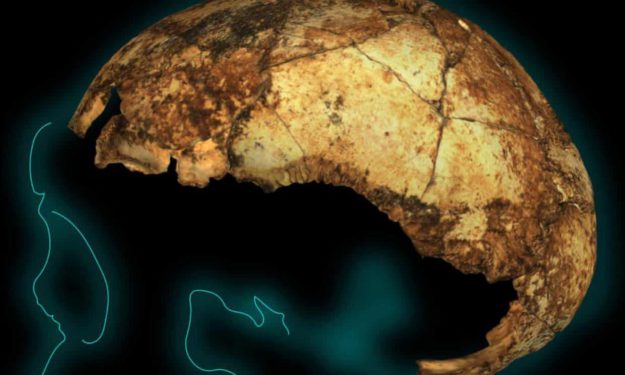
Fossil shows the first of our ancestors existed up to 200,000 years earlier than previously thought, researchers say.
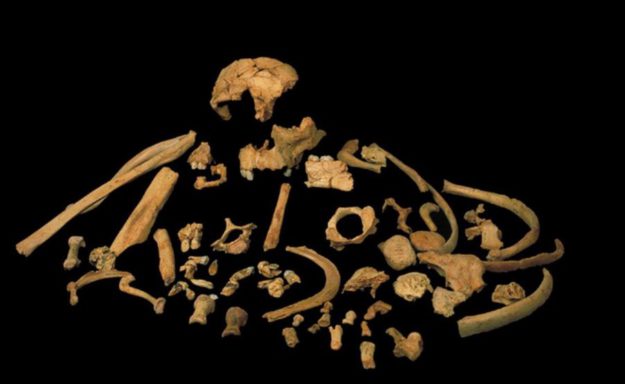
Two studies of ancient humans have shed new light on the last common ancestor we share with Neanderthals. An extinct species that was once in the frame now looks unlikely to be the one. Another now seems more plausible, but it may only be related to the ancestor.
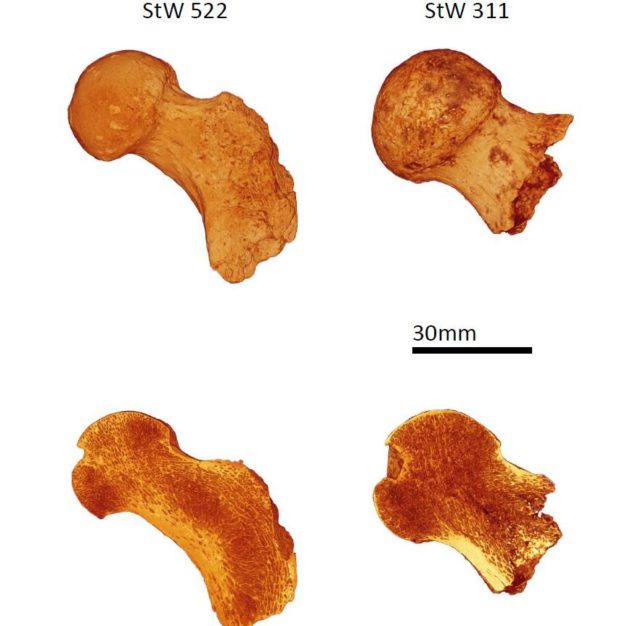
A new study led by the University of Kent has found evidence that human ancestors as recent as two million years ago may have regularly climbed trees.
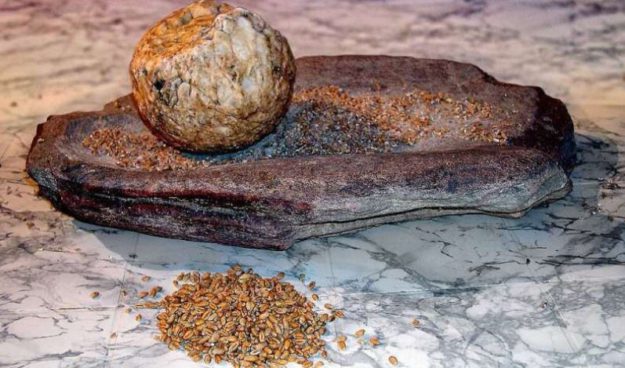
Early cave paintings of hunting scenes may give the impression our Stone Age ancestors lived mainly on chunks of meat, but plants—and the ability to unlock the glucose inside—were just as key to their survival.
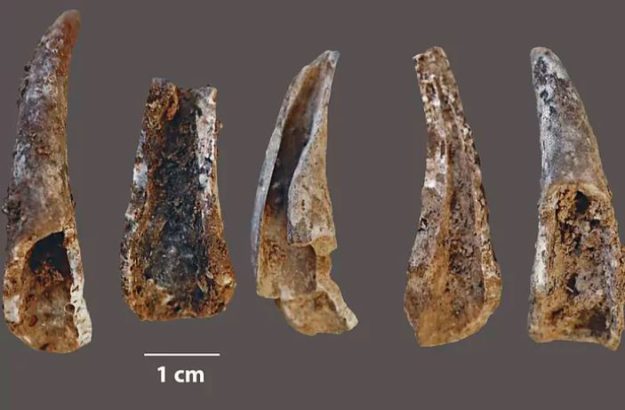
Neanderthals were eating fish, mussels and seals at a site in present-day Portugal, according to a new study.

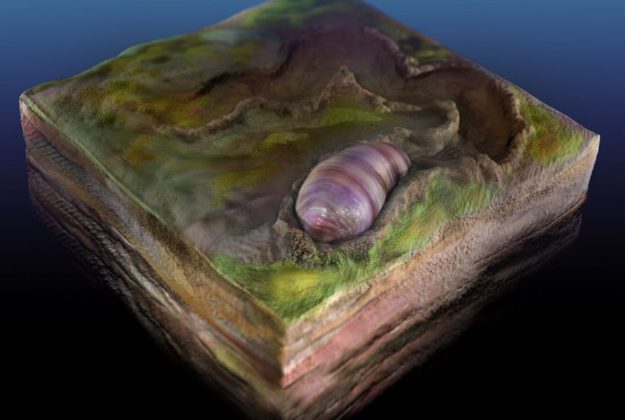
A team led by UC Riverside geologists has discovered the first ancestor on the family tree that contains most familiar animals today, including humans.

Since 2008, the University of Jaen has been excavating in the necropolis where the highest officials of Egypt’s southernmost province were buried between 2200 and 1800 BC. This province, whose capital was located on the island of Elephantina, played a very important role in the history of Egypt, as it was the border between Egypt…
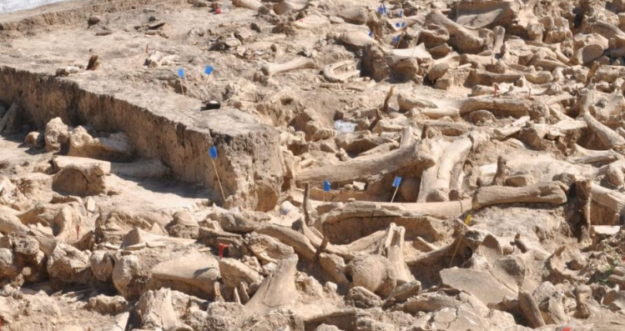
Archaeologists have announced the discovery of a giant Ice Age structure built from the remains of at least 60 mammoths at the Kostenki-Borshevo archaeological complex.
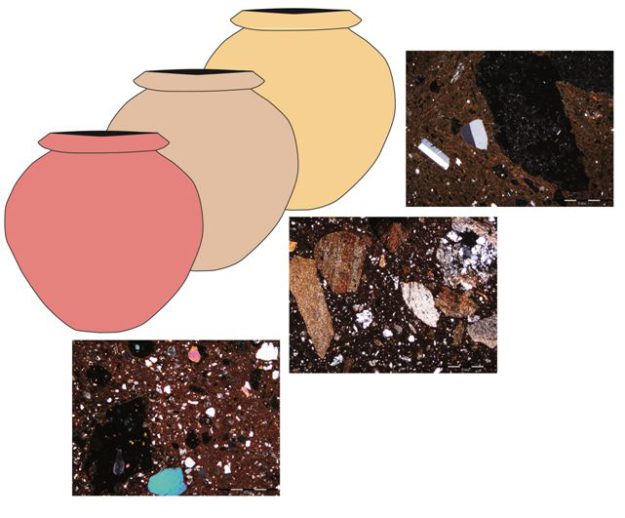
Archaeometric characterization of Roman dolia from the northeast of Hispania Citerior-Tarraconensis The ‘dolia’ and wine production From the end of the 2nd and beginning of the 1st century BC, the province of Hispania Citerior (called Tarraconensis after the territorial organisation of the Emperor Augustus) was characterised by the development of a production system based mainly…

From the Palarq Foundation we want to support all the teams of archaeology and paleontology. To those people who have travelled to the countries where the sites are located and who are carrying out their work at a great distance from home. To the teams that have seen their campaign plans cut short for the…