

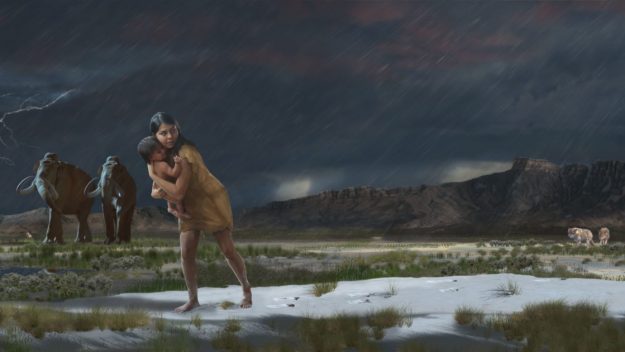
Top 9 Discoveries in Human Evolution, 2020 Edition (Plos Sciconm 12/23/20)
Top 9 Discoveries in Human Evolution, 2020 Edition.


Top 9 Discoveries in Human Evolution, 2020 Edition.
Lunch Break Science is a weekly online series featuring short lectures or interviews with Leakey Foundation scientists Lunch Break Science #17| Eduardo Fernandez-Duque Meet Leakey Foundation grantee Eduardo Fernandez-Duque and learn about owl monkey fatherhood in the Formosa province of Argentina.
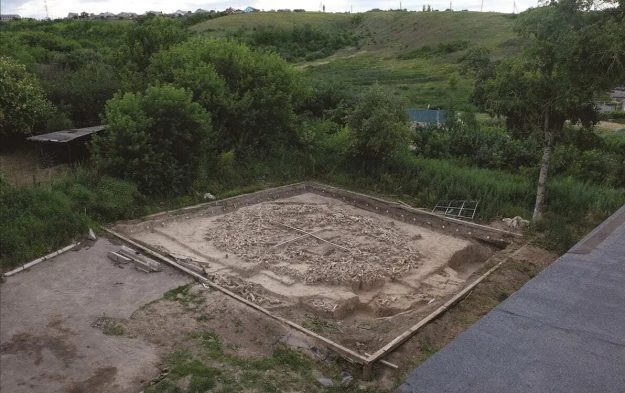
HeritageDaily’s list of the 10 most prominent archaeological discoveries to hit the headlines in 2020.
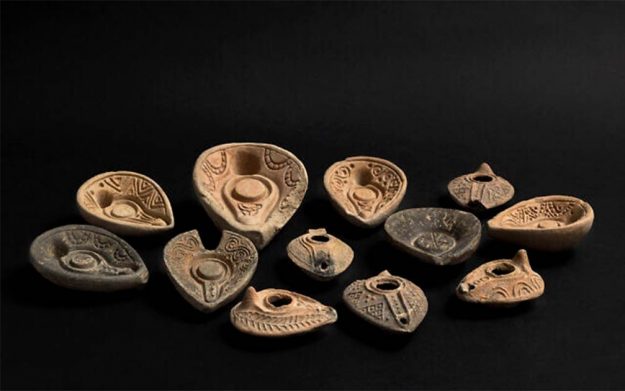
Archaeologists from Israel’s Antiquities Authority have announced an intriguing new discovery . In the city of Beit Shemesh, just 22 kilometers (14 miles) west of Jerusalem in Israel, they unearthed a ceramic workshop that contained hundreds of unused and beautifully preserved ceramic lamps, along with the stone lamp molds used to make them.
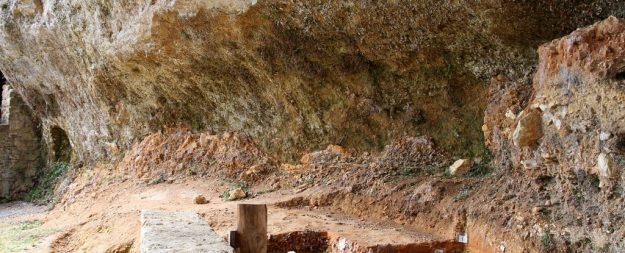
We don’t know whether it was a boy or a girl. But this ancient child, a Neanderthal, only made it to about two years of age.
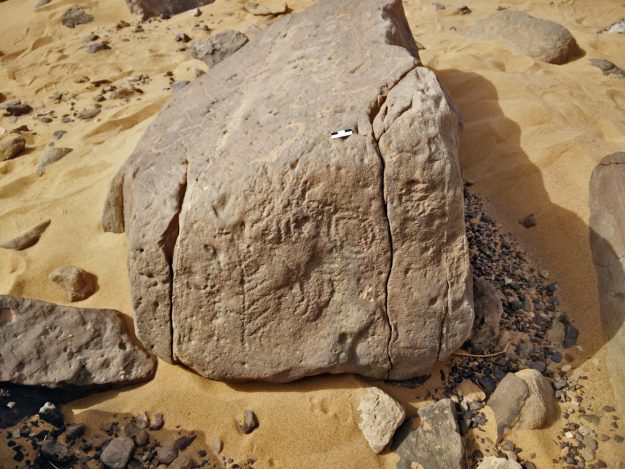
Together with the Egyptian Ministry of Antiquities, researchers from the University of Bonn have deciphered the oldest place name sign in the world. An inscription from the time of the emergence of the Egyptian state in the late fourth millennium B.C. from the Wadi el Malik east of Aswan, which is still barely explored archaeologically,…
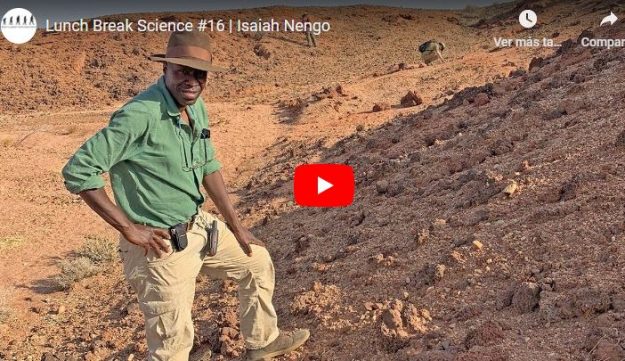
Lunch Break Science is a weekly online series featuring short lectures or interviews with Leakey Foundation scientists Lunch Break Science #16| Isaiah Nengo Meet Leakey Foundation grantee Isaiah Nengo and learn about his work uncovering fossil primates in Kenya.
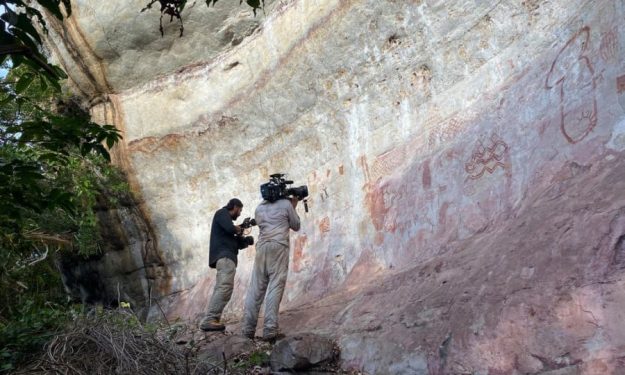
Tens of thousands of ice age paintings across a cliff face shed light on people and animals from 12,500 years ago.
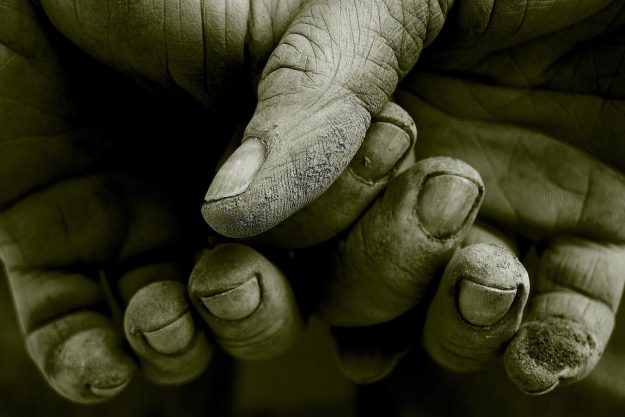
Neanderthal thumbs were better adapted to holding tools in the same way that we hold a hammer, according to a paper published in Scientific Reports.
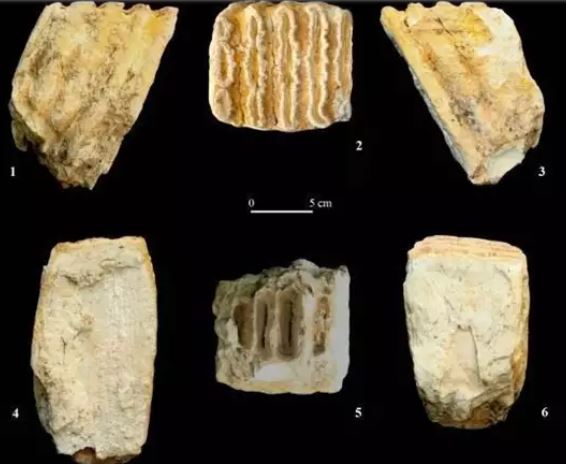
An interdisciplinary team from several Spanish universities and research centres has analysed more than 600 fossils recovered from across the Iberian Peninsula.
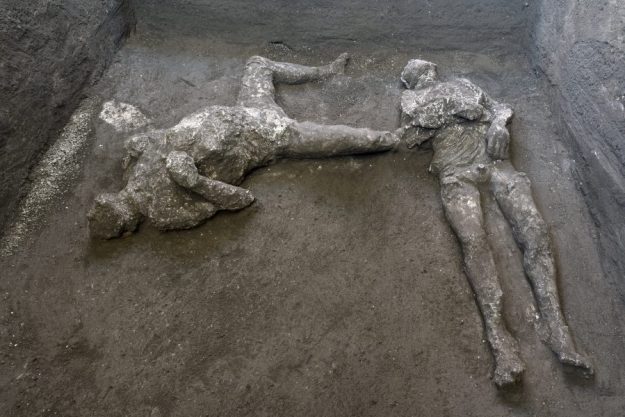
Skeletal remains of what are believed to have been a rich man and his male slave attempting to escape death from the eruption of Mount Vesuvius nearly 2,000 years ago have been discovered in Pompeii, officials at the archaeological park in Italy said Saturday.
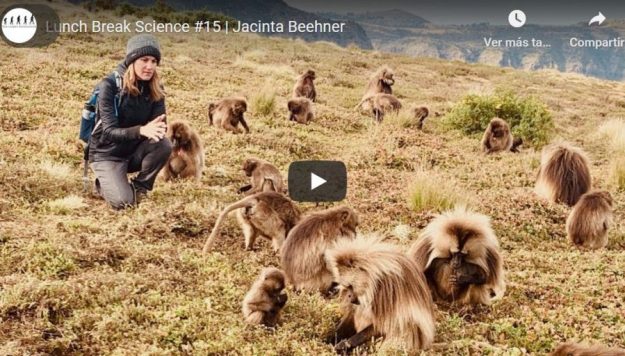
Lunch Break Science is a weekly online series featuring short lectures or interviews with Leakey Foundation scientists Lunch Break Science #15| Jacinta Beehner