Easter Island’s Moai Enigma Finally Solved? (Ancient Origins 125/15/19)

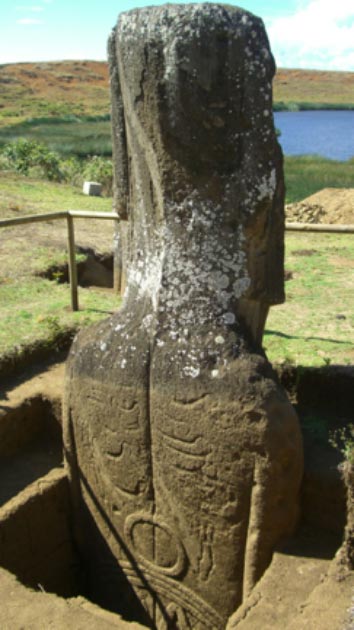
Van Tilburg and her team, working with geoarchaeologist and soils specialist Sarah Sherwood, believe they have found scientific evidence of that long-hypothesized meaning thanks to careful study of two particular Moai excavated over five years in the Rano Raraku quarry on the eastern side of the Polynesian island.

From nomadic hunter-gatherers to sedentary farmers and ranchers

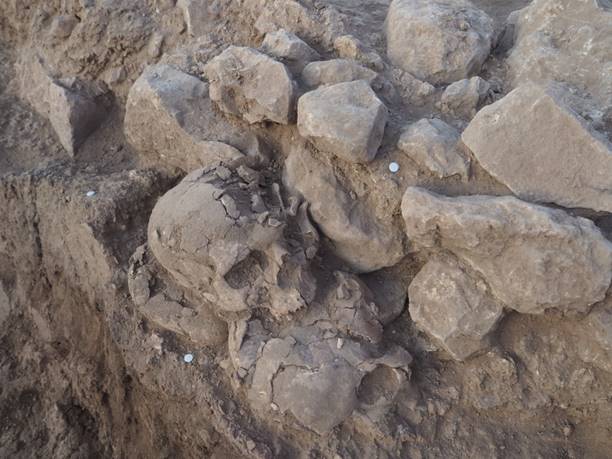
Changes in the lifestyles of nomadic hunter-gatherers who became sedentary farmers and stockbreeders were decisive for human history. Between 14,000 and 9,000 years ago, hunter-gatherers began to live in sedentary villages. These changes took place, for the first time, in the Middle East, in the current countries of Israel/Palestine, Jordan, Syria, Lebanon, Turkey, Iraq and…

Analyze with “magnifying glass” a Roman domus

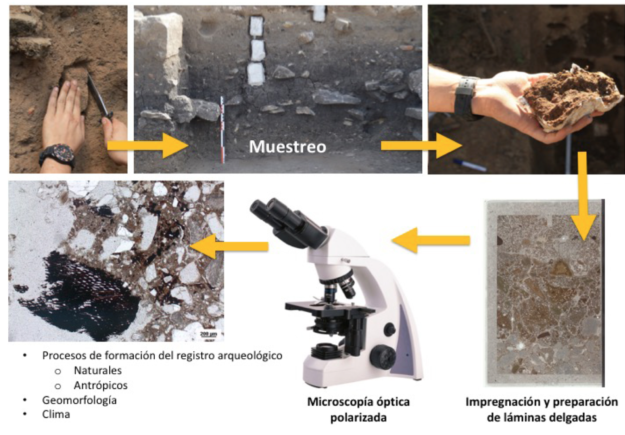
The REPAEMI project – Paleoenvironmental and economic reconstruction of Augusta Emerita (Mérida, Badajoz) from the high-resolution geo-archaeological analysis of the domus of the Mitreo, requested by the research team HUM 296-Archaeology classical period and late antiquity in Eastern Andalusia of the Universidad de Granada  in collaboration with the Consorcio de Ciudad Monumental Histórico Artístico de…